Architectural shingles are the standard. Designer shingles are the upgrade. Here is how to decide which makes sense for your Greater Bellevue home.
Asphalt shingles come in three broad tiers: three-tab (the old flat single layer style), architectural (also called dimensional or laminate), and designer (also called premium or luxury). Three-tab shingles are rarely specified on new installations today because architectural shingles offer significantly better performance at a modest price premium. The real decision most homeowners face is between standard architectural and designer products.
Architectural shingles are the current industry standard. They consist of two or more layers of asphalt-saturated mat bonded together and cut in an irregular tab pattern that creates visual depth and a textured appearance on the finished roof. They are heavier than three-tab shingles, more wind resistant, and more durable. Most carry a manufacturer warranty of thirty years on the material and can realistically last twenty-five to thirty years in the Pacific Northwest climate with proper installation and maintenance.
Designer shingles take the same basic construction approach but push every dimension further. The mat is thicker, the profile is taller, the shadow lines are deeper, and the color blends are more complex. The result is a roof that reads from the street as genuinely dimensional, with a visual character that approaches the look of wood shake or slate at a fraction of the cost and maintenance burden.
The most visible difference between architectural and designer shingles is the shadow line they create on the finished roof surface. Standard architectural shingles create a modest dimensional effect that looks significantly better than flat three-tab but still reads clearly as asphalt at close range. Designer shingles create a much more pronounced shadow profile because the individual tabs are thicker and taller. From the street, this depth reads as something closer to natural slate or heavy wood shake.
The thickness difference is also structural. Designer shingles typically weigh more per square than standard architectural products. The additional mass contributes to wind resistance and to the premium sound and feel underfoot that installers notice when working with them. Wind resistance ratings on designer products often reach 130 miles per hour or higher, compared to 110 to 130 mph for most standard architectural lines.
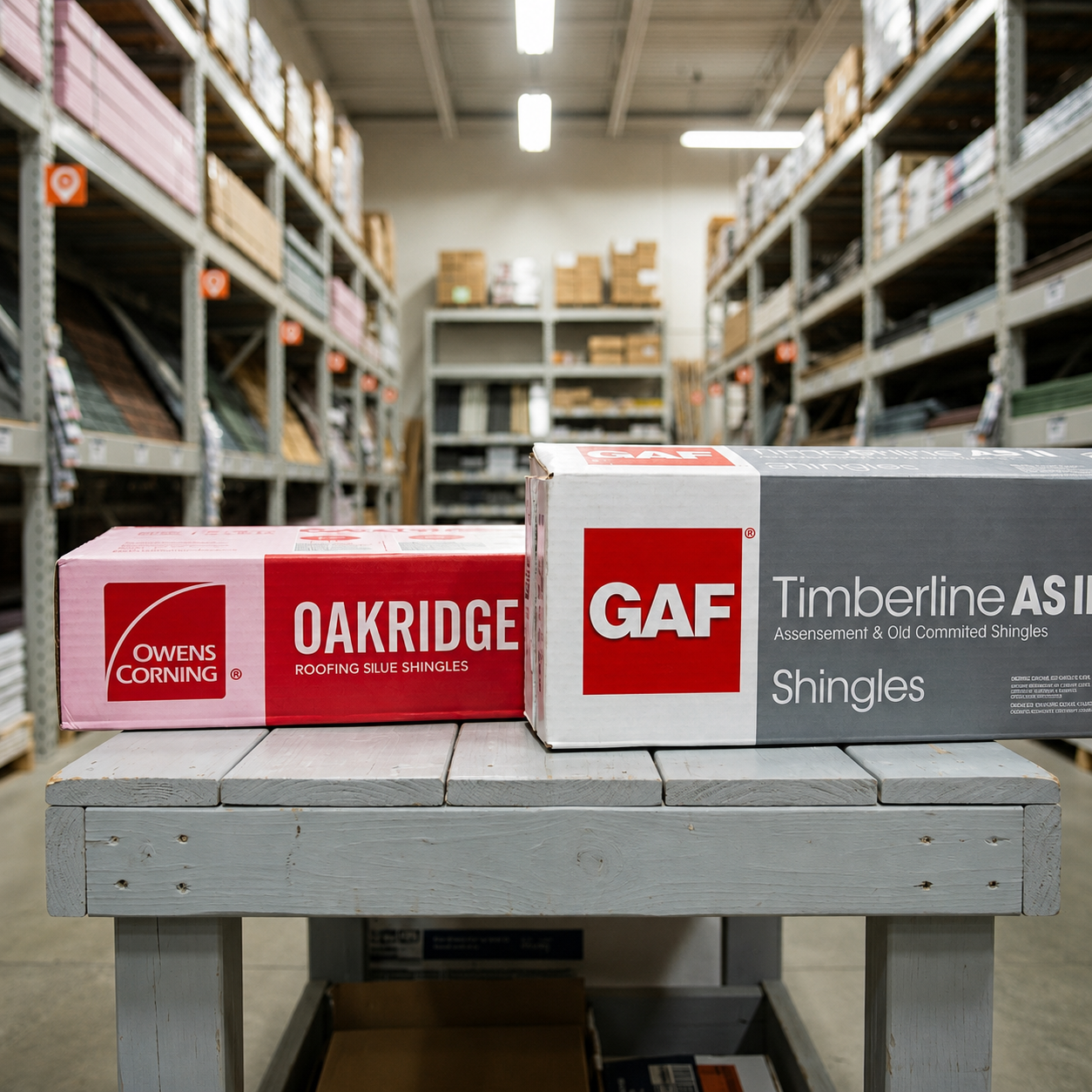
Standard architectural shingles from manufacturers like Owens Corning and GAF carry a limited lifetime warranty on the material and typically a ten year workmanship warranty when installed by a certified contractor. Designer products from the same manufacturers generally carry a limited lifetime material warranty as well, but the algae resistance warranties and wind warranties are often longer and the products qualify for premium contractor certification programs that come with enhanced coverage terms.
The practical takeaway is that designer shingles do not always carry dramatically longer warranties than their standard architectural counterparts from the same manufacturer, but they do typically include better warranty terms around algae resistance and wind damage, which are both relevant concerns in the Pacific Northwest.
The visual payoff from designer shingles is highest on homes where the roof is a prominent part of the facing the street elevation. Steeper roofs show more roof surface from the street and benefit more from the dimensional profile of a premium product. Homes with complex rooflines, dormers, and multiple planes also benefit because the designer profile reads well at angles and transitions.
Traditional architectural styles including Craftsman, Tudor, and colonial homes are strong candidates for designer shingles because the heavier profile aligns visually with the material richness those styles suggest. Contemporary and modern homes with lower pitches and minimal ornamentation often look equally good with standard architectural shingles because the roof is not the visual focal point.
Specific products available in the Greater Seattle market worth considering include the Owens Corning Duration Storm line in the architectural tier and the Owens Corning Woodcrest or TruDefinition Duration in designer profiles. From GAF, the Timberline HDZ is the flagship architectural product and the Camelot II or Grand Sequoia represent the designer tier. Your contractor should be able to show you samples and completed project photos in your neighborhood.
The upgrade from standard architectural to designer shingles typically adds fifteen to thirty percent to the shingle material cost. On a full residential reroof in Greater Bellevue, that generally works out to an additional two thousand to four thousand dollars on a medium-sized home, depending on the specific products selected and the roof size. The labor cost to install designer shingles is essentially the same as for standard architectural products.
For context, the total cost of a complete reroof on a typical Bellevue home ranges from fifteen thousand to thirty-five thousand dollars depending on size, pitch, and complexity. The designer shingle upgrade represents a relatively small percentage of that total while providing a meaningful difference in finished appearance and a modest improvement in material performance.
The most honest framework for this decision is how long you plan to stay in the home. If you are replacing a roof and planning to sell within three to five years, designer shingles may improve curb appeal and support a modest premium at sale, but the return is uncertain and home buyers rarely pay dollar for dollar for roof material upgrades. If you plan to stay in the home for ten or more years, the upgrade cost amortizes to a small annual amount and you benefit from the improved appearance every day you live there.
If budget is not a meaningful constraint and the roof is a significant visual element of your home, the designer upgrade is worth the cost. If you are working within a tight budget and the home is a practical investment rather than a lasting residence, standard architectural shingles installed correctly with proper underlayment, ice and water shield, and ventilation will serve the home well and leave the premium for other priorities.
Request a free estimate from Vantek Roofing. Call (425) 777-5031 or visit vantekroofing.com. We serve Bellevue, Kirkland, Renton, and 24 cities across King and Snohomish County.
| Feature | Architectural Shingles | Designer Shingles |
|---|---|---|
| Typical Thickness | Standard (two-layer laminate) | Heavy (three-layer laminate) |
| PNW Lifespan | 20 to 30 years | 25 to 35 years |
| Wind Resistance | 110 to 130 mph | 130 mph or higher |
| Algae Resistance | Available on premium lines | Standard on most designer products |
| Visual Profile | Moderate shadow lines | Deep, dramatic shadow lines |
| Best For | Most residential homes | Craftsman, traditional, high-end homes |