The Pacific Northwest climate exposes shingles to conditions that do not apply in most of the country. Extended rain, persistent moisture, freezing and thawing cycling, and all year algae and moss pressure all play a role. Here is what to look for when choosing shingles for a Greater Seattle home.
Greater Seattle averages 150 days of rain per year, with the wettest period running from October through April. That sustained moisture exposure tests every component of a roofing system. Shingles that perform adequately in dry climates can fail prematurely in this environment if they lack the right features. The two performance factors that matter most in this climate are algae and moss resistance, and wind resistance for the storm season.
Algae discoloration is the dark streaking you see on older roofs. It is caused by Gloeocapsa magma, a form of algae that thrives in humid conditions. Beyond aesthetics, algae degrades granule adhesion over time. Moss takes it further, with roots that physically lift shingle tabs and hold moisture against the surface for extended periods. Both accelerate deterioration of the asphalt base and reduce overall lifespan.
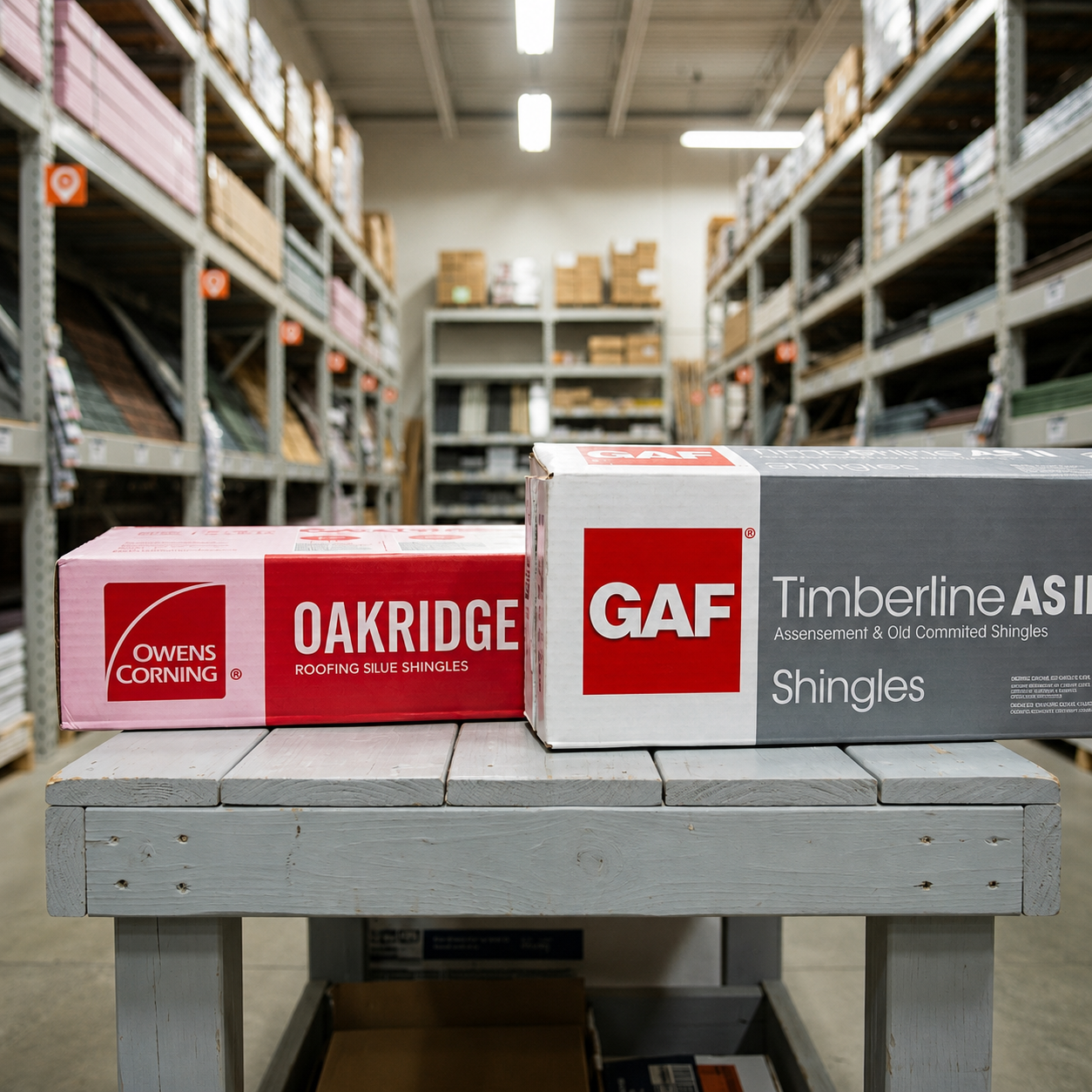
Owens Corning Duration and GAF Timberline HDZ are the two most widely installed architectural shingle lines in the Greater Seattle market, and both are good choices for this climate. The Duration line uses Owens Corning's SureNail technology, which places fasteners in a reinforced nailing zone for better wind resistance and more consistent installation. Duration shingles are rated to 130 mph wind resistance and carry a Lifetime Limited warranty. The algae resistant version includes with copper granules granules that actively resist discoloration.
GAF Timberline HDZ uses LayerLock technology to bond shingle layers together, improving resistance to wind uplift. Also rated to 130 mph, the HDZ carries a Lifetime Limited warranty and is available in an algae resistant version. Both products are widely available through local supply houses and carry strong warranty support programs for professionally installed projects.
For most Greater Seattle homeowners, the choice between these two comes down to color availability and contractor preference rather than significant performance differences. Both are well suited to this climate.
3-tab shingles are lighter, thinner, and less expensive than architectural shingles, and they are noticeably less wind resistant. In the Pacific Northwest's storm season, the flat single layer profile of a 3-tab shingle is more vulnerable to wind uplift at the tab edges. Architectural shingles have a heavier base mat and a laminated construction that holds up better under repetitive wind loading. The price difference on a full reroof is modest relative to the performance improvement, and virtually every reputable contractor in this market defaults to architectural for residential work.
Lifetime Limited warranties are standard on premium architectural shingles, but the details within the warranty matter. The wind speed rating indicates how fast winds must be to void the warranty for caused by wind failure. A 130 mph rating, which both Duration and Timberline HDZ carry, is well above what Greater Seattle experiences in normal storm seasons. The algae warranty specifies how long the manufacturer guarantees resistance to algae discoloration, typically 10 to 25 years. Installation by a certified contractor often upgrades the warranty tier, which is one reason working with a licensed contractor matters for warranty purposes.
In most of the country, lighter in color shingles are recommended to reflect heat and reduce cooling loads. In the Pacific Northwest, where summer temperatures are relatively mild and the bigger concern is keeping a home warm during the long cool season, this consideration is less critical. Darker shingles absorb more heat, which can assist in melting snow and accelerating drying after rain. Most Greater Seattle homeowners choose color based on aesthetics and neighborhood context rather than thermal performance, which is reasonable given this climate.
Request a free estimate from Vantek Roofing. Call (425) 777-5031 or visit vantekroofing.com. We serve Bellevue, Kirkland, Renton, and 24 cities across King and Snohomish County.