The lifespan of a roof in Washington State is shaped by climate factors that do not apply in most of the country. Homeowners who understand these factors can make better decisions about maintenance, timing, and material selection.
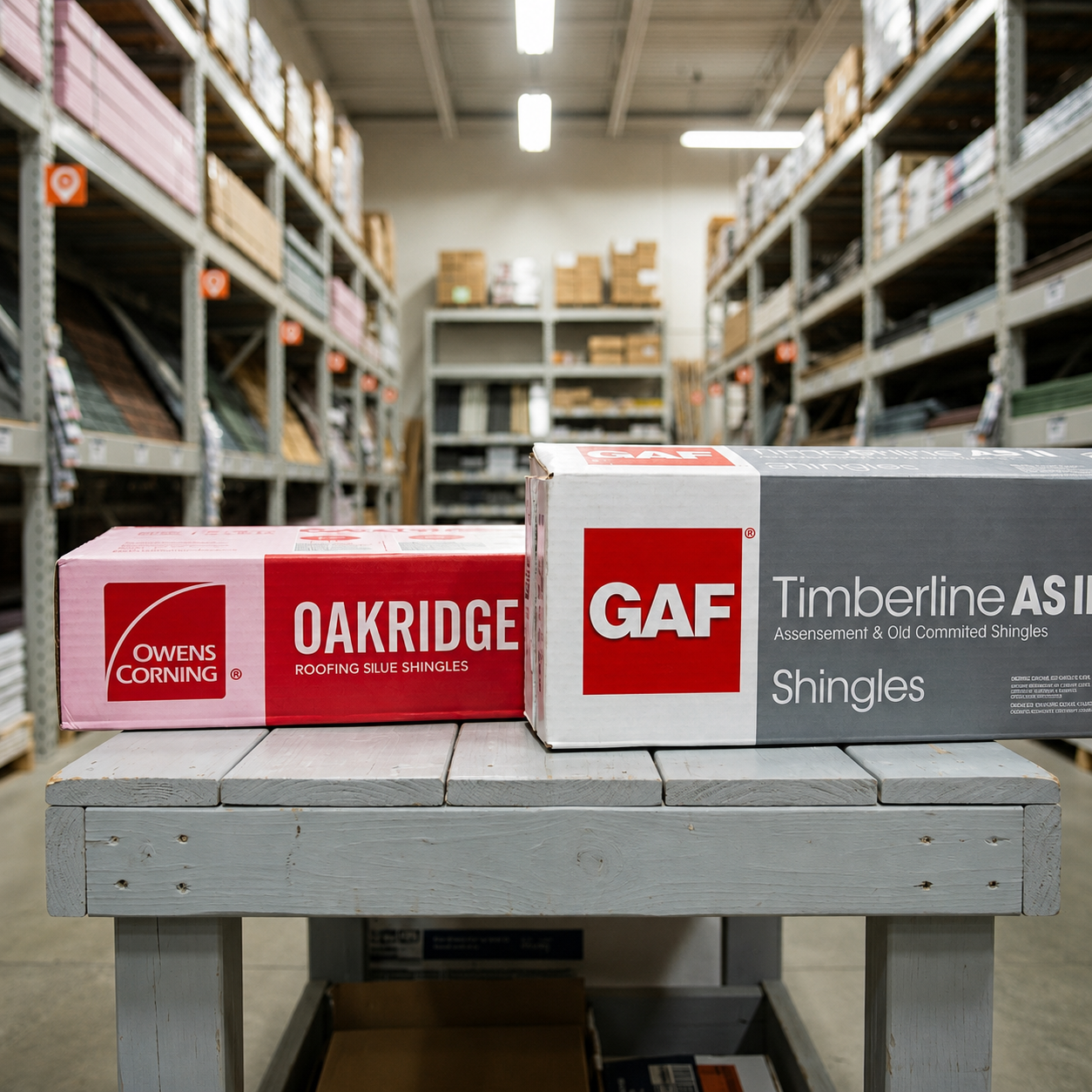
Standard 3-tab asphalt shingles installed in Greater Seattle typically last 15 to 20 years. Architectural shingles, which are thicker and more dimensional, generally last 20 to 30 years under normal Pacific Northwest conditions. The manufacturer's Lifetime Limited warranty on premium products covers material defects, but warranty coverage is not the same as real lifespan in a wet climate.
The PNW's combination of extended rainfall, moderate temperatures, and persistent moisture creates conditions that are harder on shingles than dry climates. Algae and moss growth are common, and both cause progressive damage if untreated. Temperature swings between freezing nights and warmer days cause the shingles to expand and contract repeatedly, which accelerates granule loss over time.
Moss is more than an aesthetic problem. Moss roots penetrate between shingle tabs, lifting the edges and creating pathways for water intrusion. The moisture retained by moss keeps the shingles wet for extended periods, accelerating the breakdown of the asphalt granules that protect the underlying material. A roof that is covered in moss and untreated will reach end of life noticeably earlier than the same roof with proper maintenance.
Rain alone does not shorten roof life significantly if the roof is properly installed and ventilated. The problem is rain combined with poor drainage, clogged gutters, inadequate slope, or debris accumulation in valleys. Any of these conditions creates standing or drains slowly water that works against the roofing system over time.
The first visible signs are usually granule loss, visible in your gutters after rain, and shingle curling or cupping. As a roof ages, you may also see cracking along the edges of shingles, exposed substrate in worn areas, or shingles that have lost their original profile and look flat and smooth compared to newer sections. If you see daylight in the attic, or notice staining on the attic sheathing, the roof has already been failing long enough to let moisture in.
Age is the most reliable indicator. If your asphalt shingle roof is 20 years or older and you have not had it inspected recently, now is the time. Even if it looks reasonable from the ground, an inspection from the roof level often tells a different story.
Attic ventilation is one of the most underappreciated factors affecting roof lifespan in this climate. In a wet climate, inadequate ventilation allows moisture to accumulate in the attic space. That moisture condenses on the underside of the roof decking, causing rot from below. It also creates conditions where shingles dry out slowly after rain, keeping them saturated longer than they should be.
Proper ridge venting combined with soffit intake creates a continuous airflow that carries moisture out of the attic. Every Vantek reroof includes ridge vent installation as a standard component because it is that important to the lasting performance of the roof system.
Architectural asphalt shingles are the most common choice and last 20 to 30 years in this climate with proper maintenance. Standing seam metal roofing lasts 40 to 70 years and is largely immune to moss and algae. Cedar shake, if properly maintained, lasts 25 to 35 years but requires regular treatment and cleaning in a wet climate. Concrete tile lasts 40 to 50 years and handles rain well, though its weight requires structural verification. TPO and other flat roofing systems last 20 to 30 years depending on installation quality and membrane thickness.
Request a free estimate from Vantek Roofing. Call (425) 777-5031 or visit vantekroofing.com. We serve Bellevue, Kirkland, Renton, and 24 cities across King and Snohomish County.
| Material | Typical PNW Lifespan | Maintenance Required | Notes |
|---|---|---|---|
| Standard 3-Tab Asphalt | 15 to 20 years | Low | Rarely installed new; common on older homes |
| Architectural Asphalt | 20 to 30 years | Low to moderate | Most common residential choice in WA |
| Designer Asphalt | 25 to 35 years | Low to moderate | Heavier construction, stronger warranties |
| Standing Seam Metal | 40 to 70 years | Very low | Largely immune to moss and granule loss |
| Metal Shingles | 40 to 60 years | Very low | Traditional profile with metal lifespan |
| Cedar Shake | 25 to 35 years | High | Requires regular cleaning and treatment in PNW |
| Concrete Tile | 40 to 50 years | Low | Weight requires structural verification |
| TPO Flat Roofing | 20 to 30 years | Moderate | Inspection every few years recommended |