Most homeowners have never seen a roofing estimate before. Here is exactly what each line item means, what should always be included, and what red flags to watch for.
A roofing estimate contains terminology that is completely unfamiliar to most homeowners. Terms like "drip edge," "pipe boots," and "ice and water shield" appear without explanation alongside numbers in the thousands of dollars. When you receive multiple estimates and they use different formats, different groupings, and sometimes different terminology for the same components, comparing them becomes genuinely difficult.
This guide walks through each component of a complete residential reroof estimate, explains what it is and why it is included, and gives you the context to read an estimate with confidence and to recognize when something important is missing.
This line covers the labor and equipment cost to remove the existing roofing material and haul it away. On a standard residential reroof, this is a full day job for a crew and involves renting a dumpster or using a truck with a trailer. The cost typically represents ten to fifteen percent of the total project. If an estimate omits this line and quotes only material and installation, ask explicitly whether tear-off is included. Some contractors quote installation only and present tear-off as a separate cost after the fact.
Underlayment is the water resistant layer installed directly over the roof decking, beneath the shingles. It serves as the secondary line of defense against moisture. Older homes may have had felt paper underlayment. Synthetic underlayment is significantly better: it is lighter, more tear resistant, more slip resistant for installers walking on it, and more effective at resisting moisture. A proper estimate specifies synthetic underlayment by name. If the estimate simply says "underlayment" without specifying type, ask what product is being used. In the Pacific Northwest climate, synthetic is the correct standard.
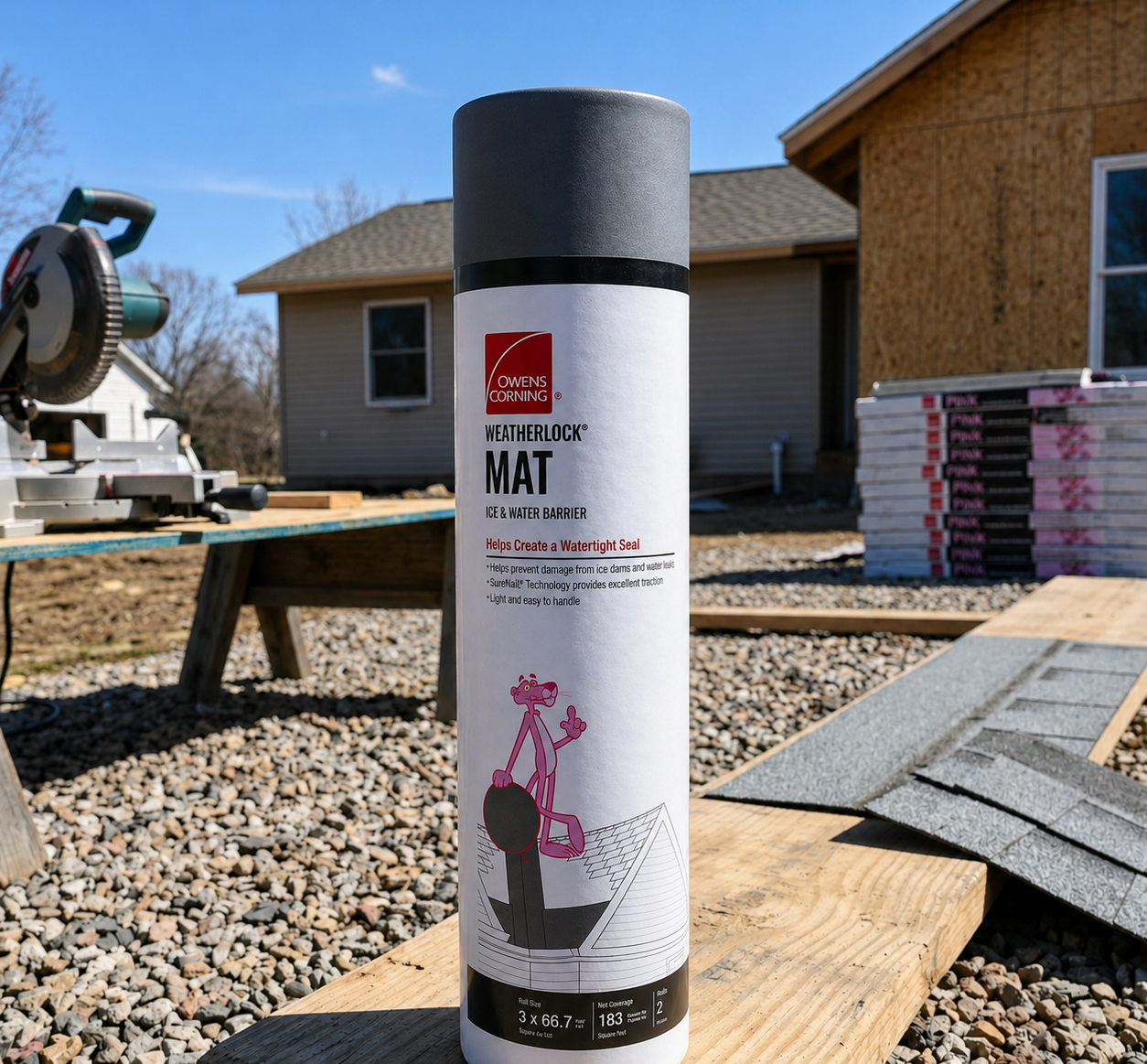
Ice and water shield is a self-adhering membrane applied to the most vulnerable areas of the roof before underlayment and shingles go on. In Greater Seattle, this means the eave edges where ice damming risk exists, the valleys where two roof planes meet and water volume is concentrated, and around all roof penetrations including chimneys, skylights, and pipe stacks. Ice and water shield seals around fasteners and prevents water from working its way under the roofing system at these higher risk locations. Washington State building code requires it at eaves, and a complete estimate will show it as a separate line item covering both the material and the additional labor involved in applying it correctly.
Drip edge is a metal flashing profile installed along the eave and rake edges of the roof. It directs water off the roof edge and into the gutters rather than allowing it to wick back under the roofing materials at the edge. It also protects the exposed edge of the decking from moisture absorption. This is a relatively lower cost component but an important one. It should appear as a separate line item and be specified by material, typically aluminum or galvanized steel, and color. If drip edge is not mentioned in an estimate, the contractor may be planning to reuse the existing drip edge, which is not best practice on a full replacement.
Every pipe or vent stack that penetrates the roof requires a flashing called a pipe boot to seal the opening where the pipe exits the roof surface. Pipe boots are a common source of leaks on older roofs because the rubber collar that seals around the pipe degrades over time. A full reroof should always include replacement of all pipe boots. This line item should specify the number of penetrations covered and the type of boot. Neoprene boots are the standard. Lead boots are available for longer life but at higher cost. The labor to properly flash skylights and chimneys may appear as a separate flashing line item on larger or more complex projects.
The ridge vent is the exhaust component of the attic ventilation system. It runs along the length of the ridge and allows warm, moist air to exit the attic continuously. A continuous ridge vent is the most effective exhaust solution for most residential roofs. It should be included in every full reroof estimate and specified as a continuous product rather than individual box vents placed at intervals. The cost is modest relative to the ventilation protection it provides and the warranty compliance it enables.
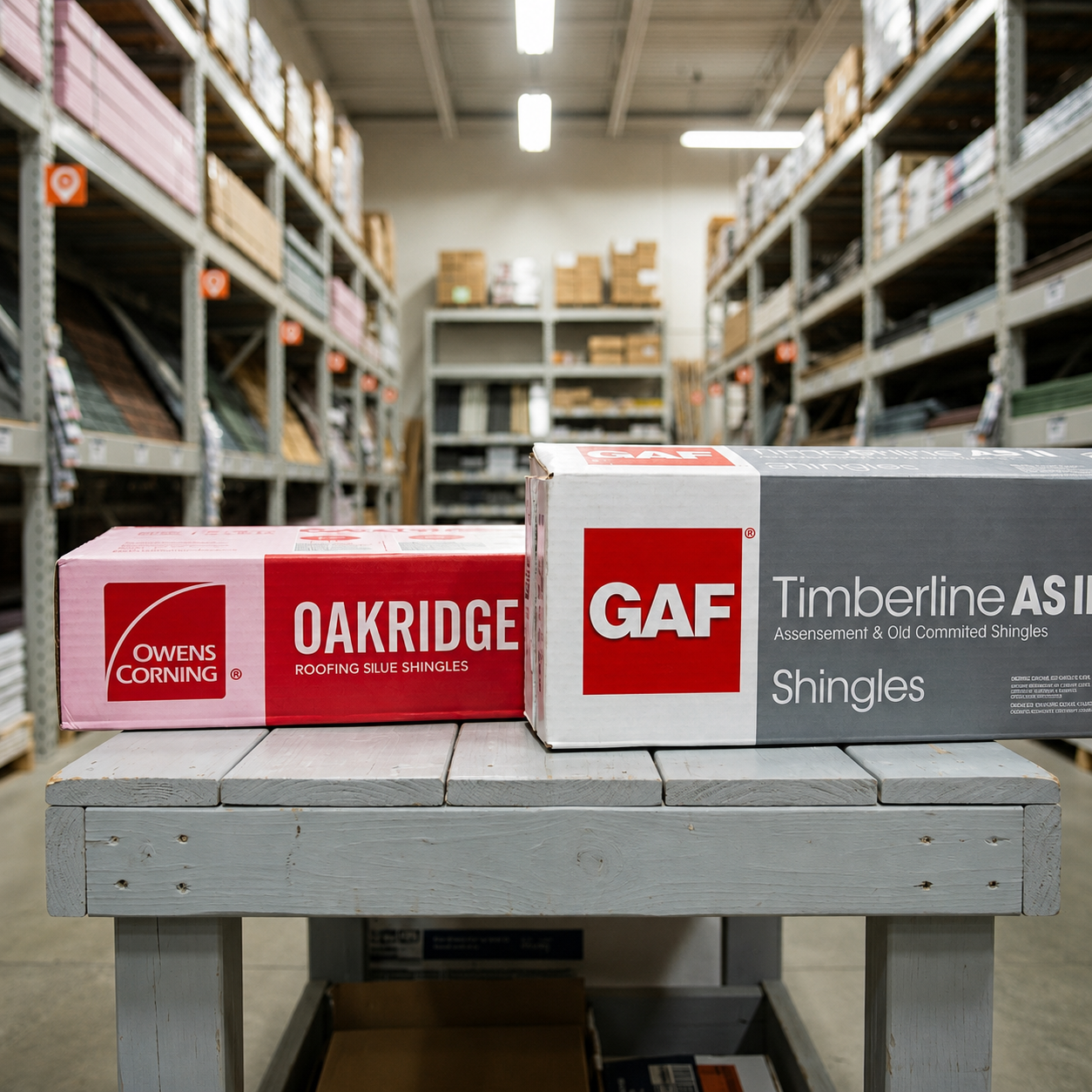
This is typically the largest single line item on the estimate. It should specify the manufacturer, product line, color, and warranty period. Standard architectural shingles from manufacturers like Owens Corning or GAF carry manufacturer warranties of thirty years on the material. The labor component for shingle installation is sometimes bundled into this line or separated as a labor line. Either format is acceptable as long as the total is clear and the product is specified precisely enough to verify what you are getting.
In Bellevue and most King County cities, a building permit is required for a full reroof. The permit fee varies by municipality but generally runs between $150 and $400 for a standard residential project. This should appear as an explicit line item. If it is not listed, ask whether the contractor pulls permits. A contractor who tells you a permit is not required for a full reroof in Bellevue, Kirkland, Redmond, or most other cities in the region is not being straight with you.
When old roofing material is removed, the crew will find the condition of the plywood or OSB decking underneath. Most roofs have some areas of soft or damaged decking, particularly if there have been any prior leaks or if ventilation has been inadequate. A reputable contractor will include a contingency line on the estimate that prices replacement decking per sheet, with the note that the actual charge depends on what is found during tear-off. This line item protects both parties. You know the per unit price before work starts, and the contractor is not absorbing the cost of damage they did not cause. If an estimate has no decking contingency and no explicit statement about what happens when bad decking is found, ask the question directly before signing.
A quote that is significantly below every other estimate you have received is not a deal. It is a signal. The most common explanations for a dramatically low price are: felt underlayment instead of synthetic, no ice and water shield, skipping the permit, planning to install over existing shingles rather than tearing off, or planning to reuse components that should be replaced. Any of these shortcuts saves the contractor money and transfers the cost to you in the form of shortened roof life, warranty problems, or code violations discovered at resale.
Vague scope language is the other major red flag. If an estimate says "install new roof" without specifying materials, coverage area, components included, or permit status, you do not have enough information to evaluate it. A proposal from a legitimate contractor will read like a specification document because a legitimate contractor is committing to a specific scope of work and wants that scope documented clearly.
Request a free estimate from Vantek Roofing. Call (425) 777-5031 or visit vantekroofing.com. We serve Bellevue, Kirkland, Renton, and 24 cities across King and Snohomish County.
| Line Item | What It Covers | Should Be Included? |
|---|---|---|
| Full Tear-Off and Disposal | Removing all existing roofing and hauling it away | Yes, always |
| Synthetic Underlayment | Moisture barrier layer installed over the full deck | Yes, always |
| Ice and Water Shield | Self-adhering membrane at eaves, valleys, and penetrations | Yes in the PNW |
| Drip Edge | Metal edging at eaves and rakes to direct water off the roof | Yes, always |
| Ridge Vent | Continuous ventilation at the peak | Yes for attic health |
| Pipe Boots / Flashings | Sealed collars around all roof penetrations | Yes, always |
| Shingles (brand and grade specified) | The visible roofing material | Yes, with brand named |
| Permit | Building permit from your municipality | Yes for a full reroof |
| Decking Contingency Rate | Per-sheet rate for any damaged decking replaced at tear-off | Should be disclosed upfront |
| Workmanship Warranty | Contractor's coverage on the installation itself | Should be stated in writing |