Moss is one of the most common and damaging roof problems in Greater Seattle. Here is how to know when treatment is enough and when you need a full replacement.
The Greater Seattle area gives moss everything it needs to thrive: cool temperatures, persistent moisture, frequent overcast skies, and tree canopy that shades roof surfaces and keeps them damp for extended periods. In drier climates, moss is a nuisance. In the Pacific Northwest, it is an active threat to the integrity of your roofing system if left unmanaged.
Moss grows from spores that land on roof surfaces and take hold wherever moisture lingers. North facing slopes and areas shaded by trees are the most vulnerable. Once established, a moss colony grows outward and begins to work its way under shingle edges, lifting them slightly and creating pathways for water to penetrate the roofing system below.
The damage moss causes happens in two distinct ways. The first is physical. Moss develops a like roots structure called rhizoids that penetrate the granule surface of asphalt shingles and work into the mat beneath. As the moss grows and expands with moisture absorption, it forces shingle edges upward. Water that would otherwise run off the surface now gets directed under the shingles instead. This is how moss turns a surface cosmetic problem into a leak source.
The second form of damage is moisture retention. A thick moss colony acts like a sponge, holding water against the shingle surface for hours or days after a rainstorm ends. Asphalt shingles are designed to shed water quickly. Extended exposure to standing moisture accelerates the breakdown of the asphalt layer and causes the granules that protect the shingle from UV exposure to loosen and wash away. A roof with persistent moss growth will age significantly faster than a clean roof of the same age and material.
Treatment is appropriate when the moss problem is primarily a surface condition and the underlying shingles are still structurally sound. If your roof is under fifteen years old, has not experienced significant granule loss, and shows no signs of curling, cracking, or blistering, moss treatment followed by a preventive maintenance plan is a reasonable course of action.
Effective moss treatment typically involves applying a zinc- or potassium-based moss killer to the affected areas. These products work by disrupting the moss's ability to retain moisture. After treatment, dead moss can be carefully rinsed from the surface. The key word is carefully. Pressure washing a shingle roof causes significant granule loss and should not be used. A gentle rinse or soft wash is the appropriate method.
Zinc strips installed along the ridge line offer ongoing prevention. When it rains, water picks up trace amounts of zinc as it flows over the strip and carries it down the roof surface. This creates an environment that inhibits moss regrowth. Zinc strips are not a cure for an existing heavy infestation, but they are an effective part of a lasting maintenance plan on a roof that still has good life remaining.
There are situations where treatment addresses the moss but not the underlying damage it has already caused. If shingles are curling at the edges because moss has been lifting them for years, treatment will kill the moss but the shingles will not return to their original flat position. Lifted shingle edges remain vulnerable to wind damage and continued water infiltration regardless of whether living moss is present.
If granule loss is significant, the shingles have lost much of their UV protection and their service life is substantially reduced. You can treat the moss and add zinc strips, but you cannot restore lost granules. A roof that is fifteen to twenty years old with heavy moss coverage, visible granule loss in the gutters, and shingle edges that are visibly lifted or brittle has likely reached the point where replacement is the more financially sound decision. Spending money on treatment for a roof that needs replacement within two to three years delays the inevitable and adds cost without extending the roof's life in any meaningful way.
A professional inspection is the only reliable way to make this determination. A contractor should be able to tell you the approximate remaining life of the shingles, identify any areas where moss has caused penetrating damage to the underlayment or decking, and give you an honest assessment of whether treatment or replacement is the better investment.
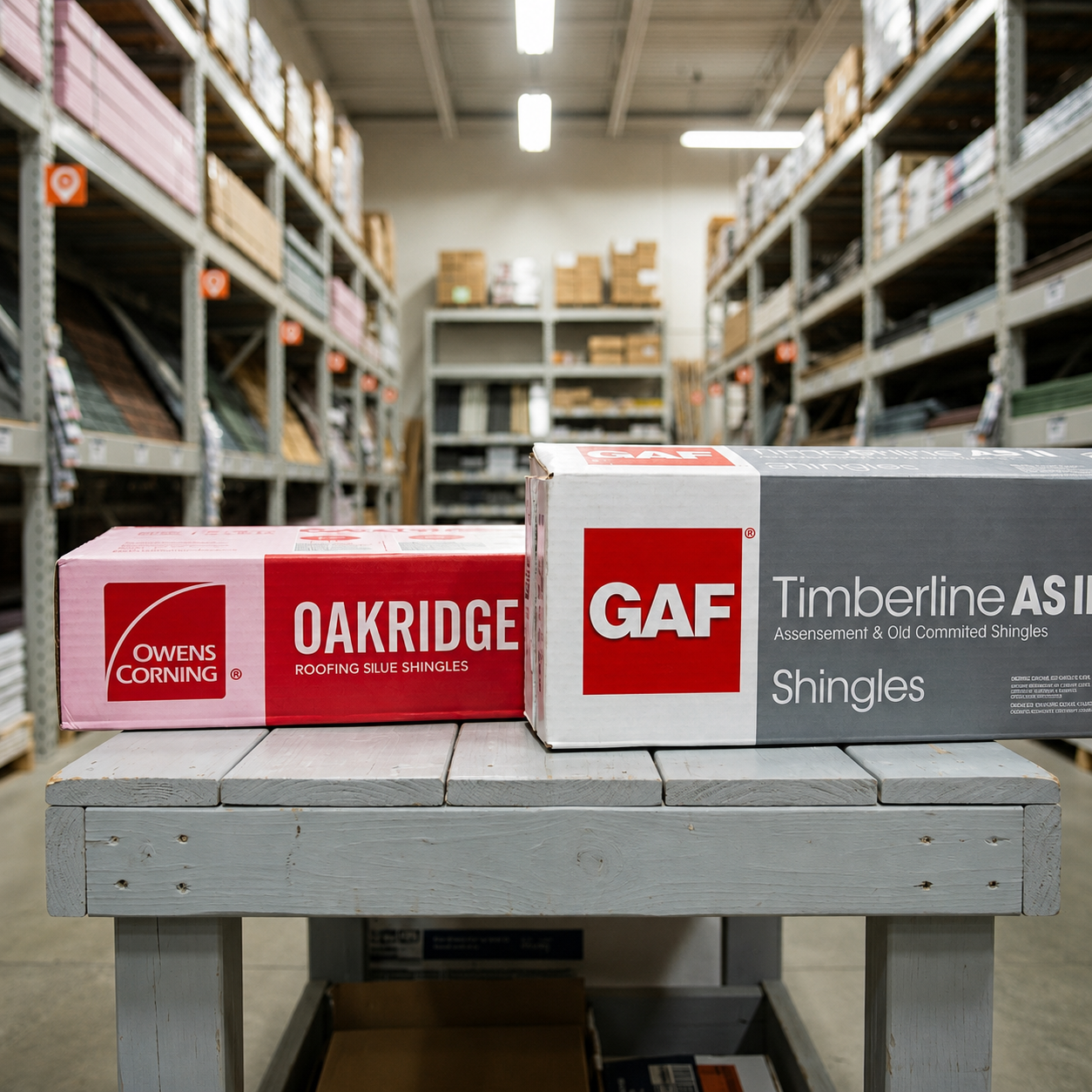
If you are replacing a roof, there are steps that meaningfully reduce moss growth from day one. First, specify a shingle product with built in algae resistance. Most major manufacturers including Owens Corning and GAF offer shingles in their architectural lines that incorporate copper granules. These granules release trace amounts of copper as water flows over them, creating the same inhibiting effect as zinc strips but embedded throughout the shingle surface.
Second, have zinc or copper ridge strips installed as part of the new roof installation. The cost is minimal relative to the project total and the protection is ongoing. Third, trim tree limbs that hang over the roof. Overhanging branches drop debris, retain moisture, and block sunlight. Removing them reduces the conditions that allow moss to establish.
Combined, these measures do not guarantee a free of moss roof forever in the Pacific Northwest, but they significantly slow the rate at which moss can take hold and give you more years before treatment is needed.
Request a free estimate from Vantek Roofing. Call (425) 777-5031 or visit vantekroofing.com. We serve Bellevue, Kirkland, Renton, and 24 cities across King and Snohomish County.