If you live in Greater Seattle you know waiting for a dry week is not always realistic. Here is how roofing in wet conditions actually works and what protects your home.
Roofing in Greater Seattle during the fall and winter months means working around a climate that delivers rain frequently, often without much advance notice from the forecast. Contractors who operate exclusively in this region have developed real protocols for managing wet weather. Contractors who do not work in rainy climates regularly have no experience with this problem and no established approach to it.
The short answer to whether roofers can work in the rain is that it depends on the type of rain, the stage of the project, and the materials being installed. Active heavy rain stops roofing work for quality and safety reasons. Light drizzle with experienced crews using the right materials and procedures may not.
Active rainfall, meaning visible precipitation that is falling at any meaningful rate, is not a condition under which shingle installation should proceed. Wet shingles are slippery and dangerous for the crew. More importantly, roofing adhesives and sealants require dry surfaces to bond correctly. Sealing a shingle tab onto a wet surface or applying flashing sealant in active rain compromises the integrity of the installation.
Overcast or misting conditions with no active precipitation are different. Pacific Northwest drizzle, the kind where the air is wet but nothing is visibly falling, is workable for experienced crews using synthetic underlayment and modern installation products. This is the standard that Seattle area contractors learn to navigate because the alternative is losing months of scheduling capacity every year.
The safety dimension is essential. A wet roof surface is significantly more hazardous than a dry one. Professional crews working in marginal conditions use appropriate footwear, take precautions on steep slopes, and will stop and secure the site if conditions deteriorate. Any contractor who does not have a clear policy on this is one you should not hire regardless of price.
On a reroof, there is a period between tear-off and the installation of underlayment when the bare decking is exposed. This is the most critical window in wet weather. A professional crew manages this by sequencing the work in sections rather than stripping the entire roof before installing any protection. A section of old roofing is removed, the new underlayment goes down over the exposed decking as quickly as possible, and the crew moves to the next section. At the end of each day, any exposed decking that has not yet received underlayment is covered with tarps and secured.
This sequential approach is standard practice for experienced Pacific Northwest contractors. A crew that strips an entire roof and then stops for rain has left your home vulnerable unnecessarily. When interviewing contractors, this is a useful question to ask directly: how do you manage exposed decking if it rains during a job? The answer tells you a great deal about their experience level in this climate.
Modern roofing materials are designed with moisture exposure in mind. Synthetic underlayment is significantly more resistant to moisture during installation than the old felt paper products. It does not absorb water and degrade the way felt does, which means a section of installed synthetic underlayment can tolerate some exposure to light rain without losing effectiveness. This is one of the reasons synthetic underlayment has essentially replaced felt on quality installations in the Pacific Northwest.
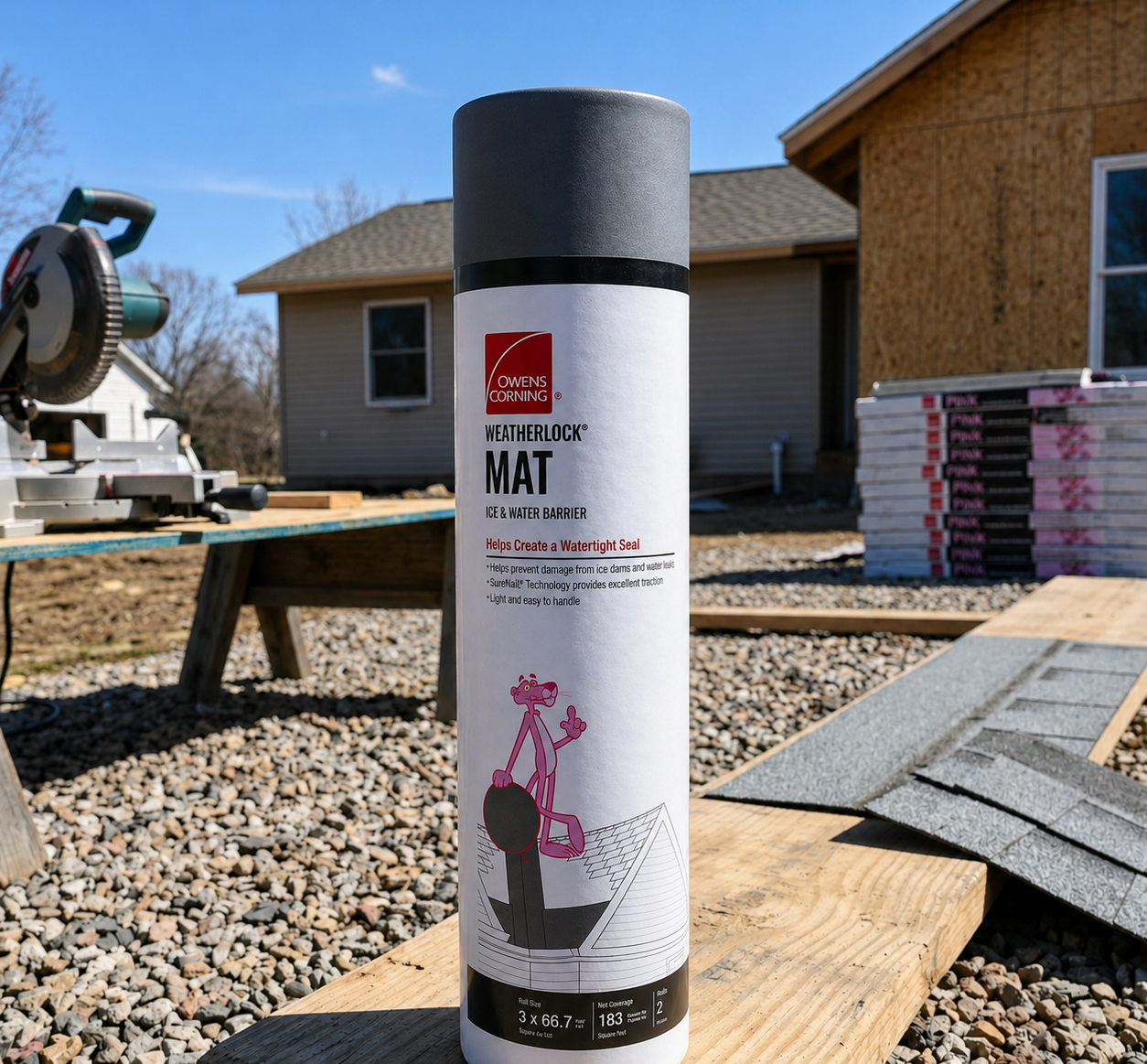
Ice and water shield is a self-adhering membrane that bonds directly to the decking surface and creates a waterproof layer at the most vulnerable points on the roof. Once ice and water shield is installed in the valleys and at the eaves, those areas are genuinely waterproof, not just water resistant. Even if rain interrupts the installation before shingles go on, the areas covered by ice and water shield are protected.
Shingles themselves should not be installed in active rain, but once installed they are designed to be the outermost layer of a waterproof system and they function as intended from the moment they go down.
A roofing contractor based in Phoenix or Las Vegas may have decades of experience but essentially no knowledge of wet weather roofing protocols because it almost never rains during the summer months when most roofing work happens in those markets. That same contractor working in Greater Seattle would be learning on the job how to manage the climate conditions that define this market.
Local experience matters in ways that are specific to weather. A Greater Seattle contractor knows which weather windows to use for tear-off and installation, how to read an approaching system and decide whether to push through or stop and secure, and which materials perform best when the installation environment is less than perfect. This institutional knowledge is part of what you are paying for when you hire a contractor who has been working in this market for years.
Before signing a contract for a roof replacement, ask these specific questions about wet weather procedures. First, ask how they sequence the work to minimize exposure of bare decking to rain. Second, ask what they do at the end of each workday if the job is not complete. Third, ask what their rain threshold is for stopping work and securing the site. Fourth, ask whether they use synthetic underlayment, which is the correct answer for this climate.
A contractor who has clear, immediate answers to these questions has dealt with them before and has established procedures. A contractor who seems uncertain or dismissive has probably not thought through wet weather protocols in any serious way. In Greater Seattle, that is a meaningful gap in their readiness for the local conditions.
Request a free estimate from Vantek Roofing. Call (425) 777-5031 or visit vantekroofing.com. We serve Bellevue, Kirkland, Renton, and 24 cities across King and Snohomish County.